Guides
How do you bring a Japanese kitchen knife home on a plane?
Miyabi workshop staff · Updated:
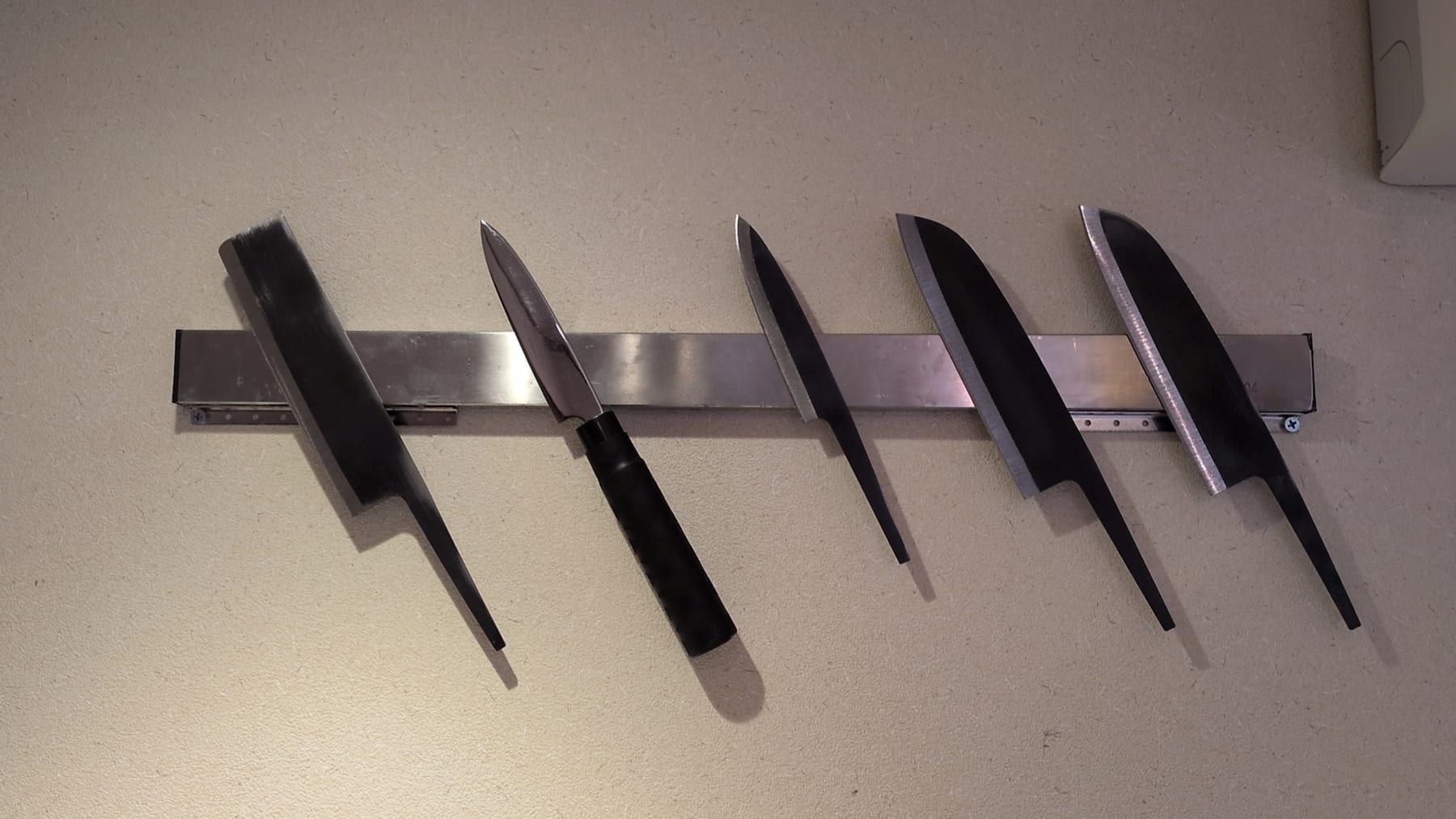
A Japanese kitchen knife is one of the most popular things to take home from Japan. The good news is that most travelers fly home with one without any trouble. The key is knowing where it goes in your luggage and how to pack it so it arrives safe, sharp and undamaged.
This guide gives general, practical advice. Rules are set by airlines, airports and the customs authorities of each country, and they can change, so always confirm the details for your own trip.
Can I take a knife in my carry-on?
No. Kitchen knives are not allowed in carry-on (cabin) baggage at airport security in Japan, and the same is true in most countries. A security officer will ask you to give it up if it is found in your hand luggage.
Plan for this before you reach the airport:
- Pack the knife in checked baggage (the suitcase you hand over at the check-in counter).
- If you are travelling with carry-on only, you will need to add a checked bag or send the knife home another way.
- Do not keep the knife in a backpack or tote that you plan to take on board, even “just for now”.
How should I pack a knife in checked baggage?
A well-packed knife protects both the blade and the baggage handlers who may open your bag. Here is a simple method:
- Cover the edge. Use a blade guard (saya) or a fitted knife case. This is the most important step.
- Wrap it. Wrap the cased knife in a towel, a cloth or a layer of bubble wrap so it cannot shift or cut through.
- Put it in the middle of the suitcase. Surround it with soft clothes, away from the outer walls of the bag. This protects it from impacts and keeps the tip from pressing through the shell.
- Keep it dry. If the knife is carbon steel, make sure it is completely dry and lightly oiled before packing. See our guide to carbon vs stainless knife care.
- Keep the receipt or box if you have one. It can help if anyone asks what the item is.
Do I need to declare a knife?
In most cases a kitchen knife in checked baggage is simply treated as a household item. However, some airlines ask passengers to tell the check-in staff about knives or sharp objects, and some countries have specific rules on bladed items at customs.
- If the check-in agent asks whether you have sharp items, answer honestly.
- Look up the customs rules of your destination country, especially if you are carrying several knives or very long blades.
- If you have a connecting flight, check the rules for every airline on your itinerary.
We cannot give legal advice for every country, so treat this as general guidance and check with your airline and destination authorities before you fly.
Quick checklist before the airport
| Step | Done? |
|---|---|
| Knife is in a guard or case | ☐ |
| Wrapped in cloth or bubble wrap | ☐ |
| Placed in the centre of a checked suitcase | ☐ |
| Not in any carry-on bag | ☐ |
| Airline and destination rules checked | ☐ |
What about sharpening tools and chopsticks?
Whetstones are generally not sharp objects, but they are heavy and can be questioned at security, so many people put them in checked baggage too. Wooden chopsticks are a different story: they are usually fine in carry-on. Read more in our guide to kanji name chopsticks.
At Miyabi
At our knife sharpening experience in Roman Village Narita, you sharpen a Japanese knife made at our own factory in Sendai, and take it home in a case, so it is already protected for the journey. Many of our guests are on their way to or from Narita Airport, and we are happy to remind you how to pack it before you leave.
- See the knife sharpening experience (60 minutes, from ¥10,000 per person).
- Check access from Narita Station.
- More questions? Visit our FAQ.