Guides
Why does Japan eat with chopsticks?
Miyabi workshop staff · Updated:
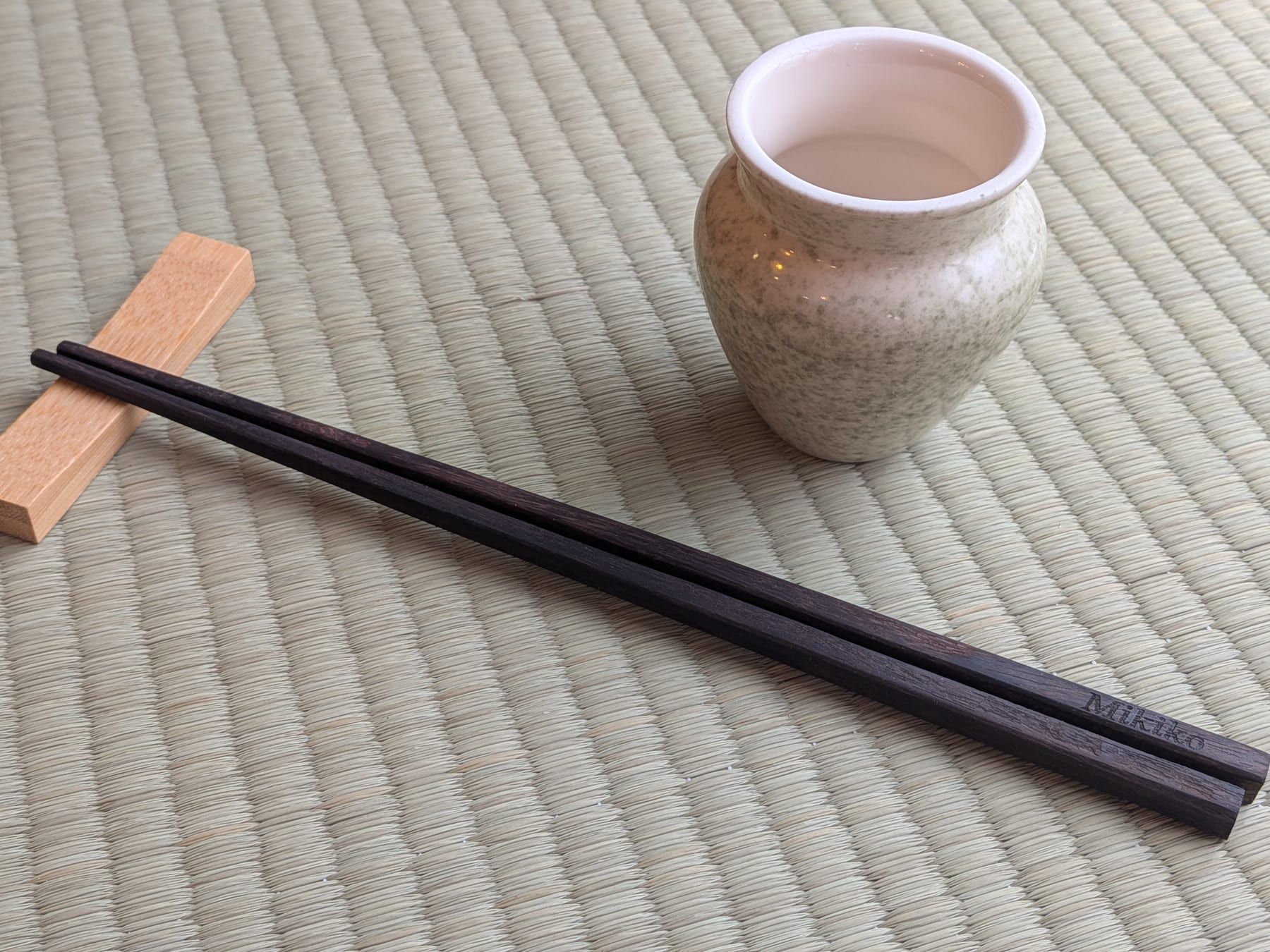
Chopsticks, or hashi in Japanese, are so much part of daily life in Japan that it is easy to forget they have a long history behind them. Here is a short, practical overview: where they came from, how Japanese chopsticks differ from those in other countries, and the manners worth knowing before your next meal.
Where did Japanese chopsticks come from?
Chopsticks were first used in China and spread across East Asia. In Japan, they are said to have come into wider use around the 7th century, during the Asuka and Nara periods, when Japan was actively adopting ideas and customs from the Chinese mainland.
A story often told in Japan connects this to Prince Shotoku and the envoys he sent to China, who are said to have brought back the custom of eating with chopsticks at formal meals. As with many early histories, details vary between sources, but the general picture is well accepted: chopsticks arrived from China and gradually became the standard way of eating in Japan.
Before that, people in Japan are generally thought to have eaten mostly with their hands.
How are Japanese chopsticks different?
If you compare chopsticks from different countries, you will notice clear differences in shape and material.
| Japan | China | Korea | |
|---|---|---|---|
| Typical length | Shorter | Longer | Medium |
| Tip | Pointed, tapered | Blunt, often square or round | Flat |
| Common material | Wood or lacquered wood | Wood, bamboo, plastic | Often metal |
These are general tendencies, not strict rules. Japanese chopsticks are often said to be pointed partly because Japanese meals include a lot of fish, and fine tips make it easier to pick bones and flakes cleanly. Shorter lengths also suit the custom of holding individual bowls close to your mouth.
Why do people in Japan have their own chopsticks?
In many Japanese homes, each family member has their own pair of chopsticks, and often their own rice bowl too. Children get smaller chopsticks sized to their hands, and adults often choose a length and wood they like.
This idea of personal chopsticks is one reason handmade or name-engraved chopsticks are a popular gift in Japan. Disposable wooden chopsticks (waribashi) are used at restaurants and convenience stores, but at home, a pair that is “yours” is the norm. Read more about name engraving in your name in kanji.
What chopstick etiquette should I know?
Japanese chopstick manners have many named “taboos”, but a few are especially important:
- Do not stick chopsticks upright in a bowl of rice. This resembles an offering made at funerals and is considered very bad manners at the table.
- Do not pass food from your chopsticks to someone else’s chopsticks. This also recalls a funeral ritual. Place the food on a plate instead.
- Do not point at people or things with your chopsticks.
- Do not wave your chopsticks over dishes while deciding what to take.
- Do not stab food with the tips.
- Rest them on a chopstick rest (hashioki) or across your bowl, not on the table.
Nobody expects visitors to be perfect, and most people in Japan are happy to see you trying. The first two rules are the ones worth remembering.
Tips for holding chopsticks
- Hold the upper chopstick like a pencil; it is the one that moves.
- Rest the lower chopstick in the base of your thumb and on your ring finger; it stays still.
- Hold them a little above the middle, not right at the tips.
At Miyabi
In our chopstick making experience you can make your own pair of Japanese-style chopsticks. Choose from 10+ natural woods, shape the pair with a Japanese hand plane, sand them smooth and finish them with oil, then take them home the same day. Optional kanji name engraving is available in the shop.
- Chopstick making experience – 45 minutes, up to 6 guests, from ¥1,000 per person, ages 5+
- FAQ